
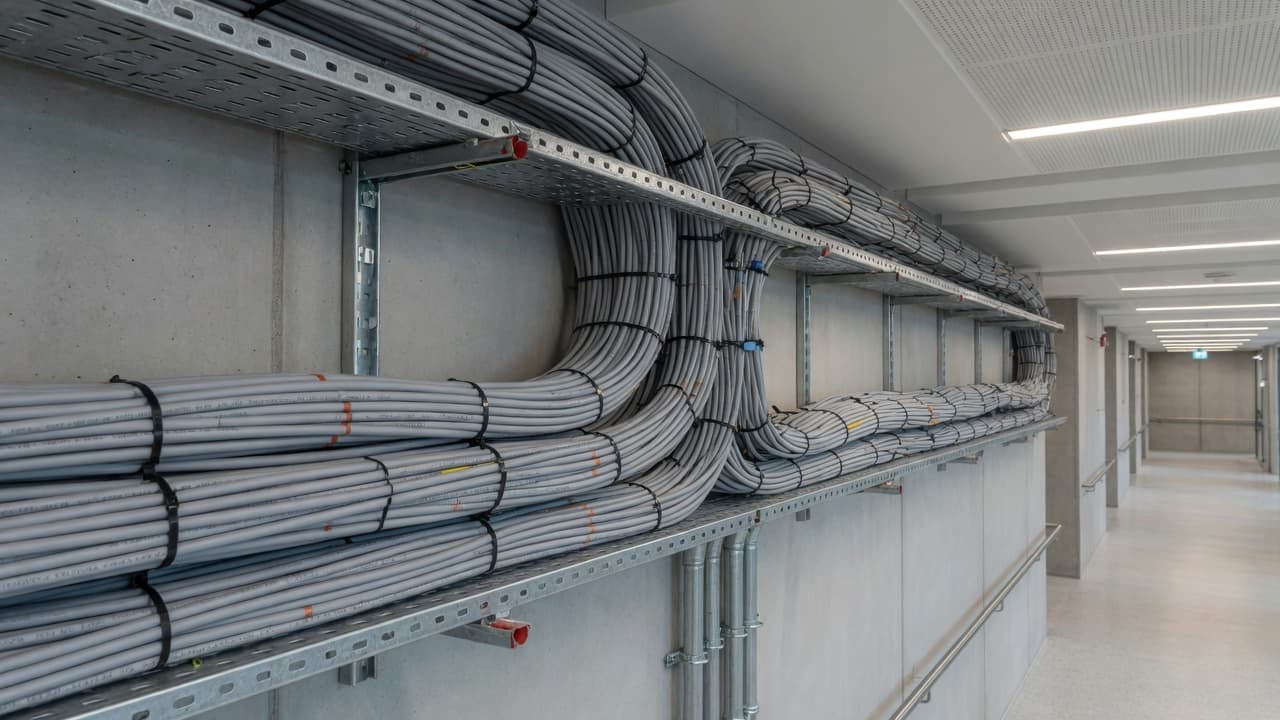
The cable industry's move away from halogenated flame retardants is no longer a regional preference — it is a global baseline. Three trends are shaping 2026:
First, building codes in more markets now require LSZH performance in public and high-occupancy spaces. Second, the photovoltaic and wind sectors demand cross-linked polyolefin insulation that combines weatherability with flame performance. Third, compounders are pushing filler loadings higher while being asked to preserve flexibility.
All three converge on the same technical need: a coupling agent that bonds polar flame retardants to non-polar matrices. PE-g-MAH sits squarely at that intersection.